

Q&A with Shearwater
Shearwater, from Austin, Texas, is led by multi-instrumentalist and lead singer Jonathan Meiburg. Jonathan and Will Sheff — both members of Okkervil River — formed Shearwater in 1999 as an outlet for quieter songs on which they were collaborating. The band's music is notable for its imagery based in nature, intimate melodies, and Jonathan’s astonishing vocal range.
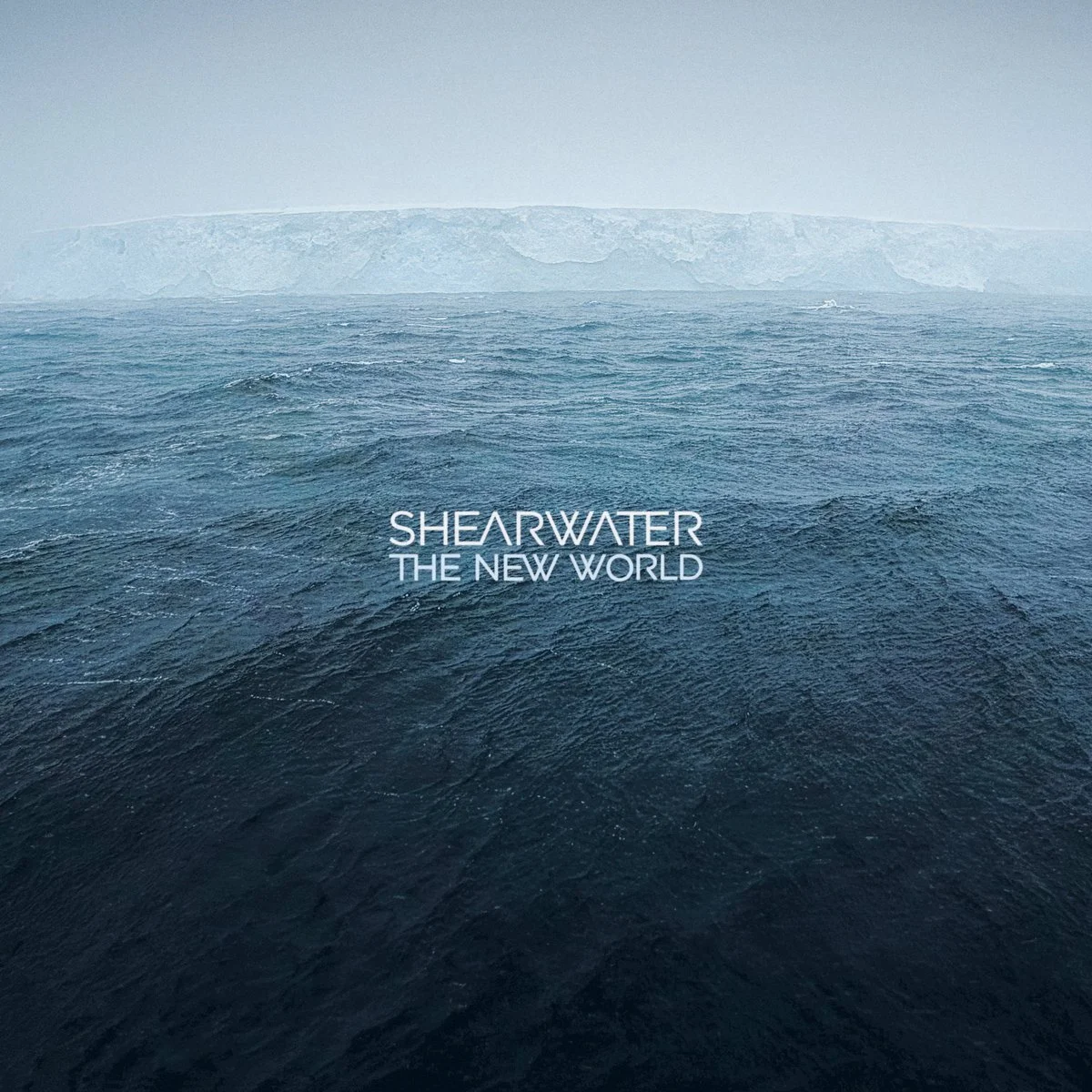
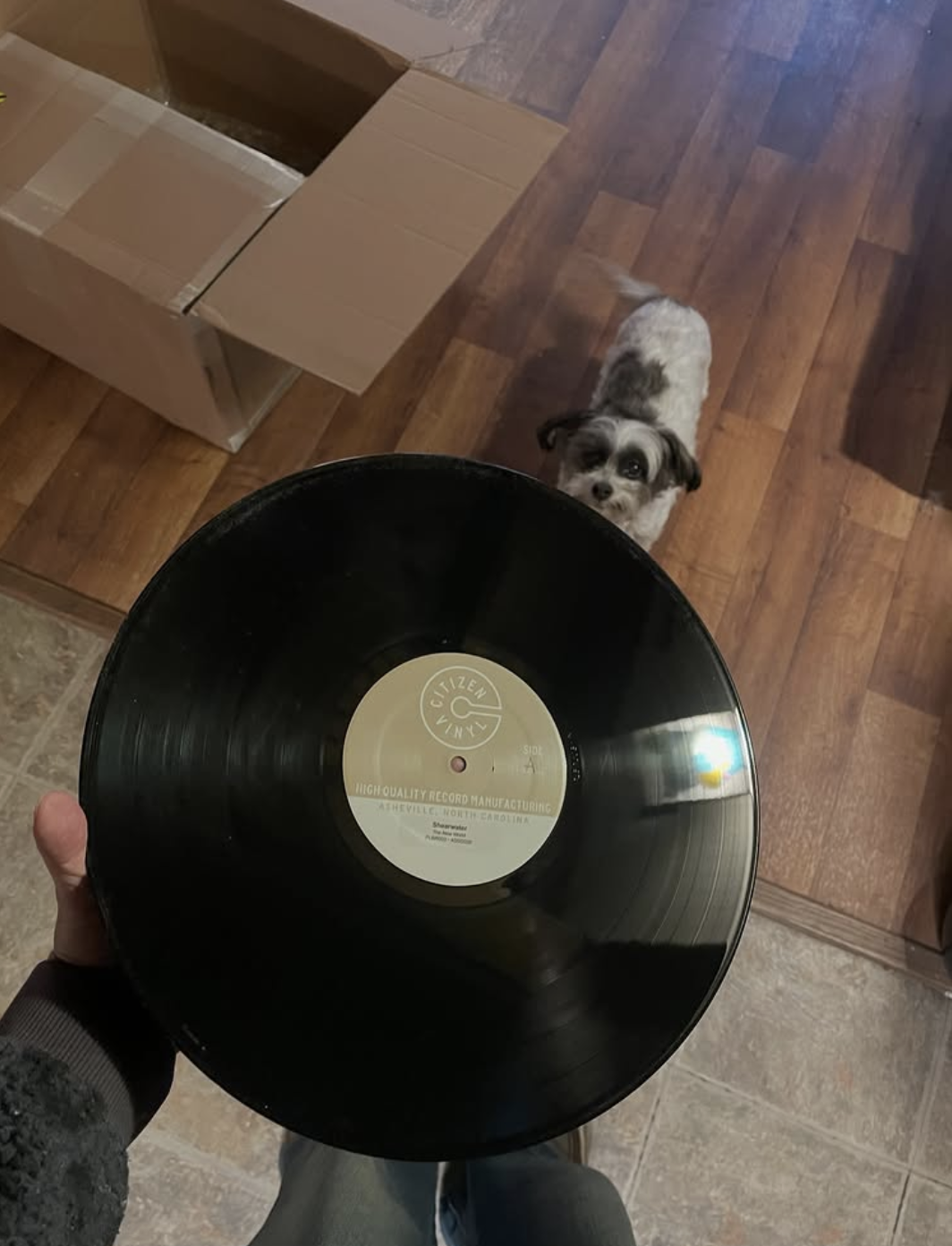
Shearwater’s forthcoming album The New World launches on July 31 and was proudly pressed at Citizen Vinyl. We reached out to Jonathan to learn more about the project.
Citizen Vinyl: What creative freedom did you gain from crowdfunding this album rather than working with a label?
Jonathan Meiburg: Mostly the freedom of time. We were lucky to work with labels like Sub Pop and Matador in the past, who gave us creative freedom — but crowdfunding gave us a better budget than we’d have been able to get from them, without any urgency in how we were supposed to spend it. It didn’t matter that we took four years to make this album, and we got to decide when it was complete.
Does being an author / writing long form help or inform your songwriting (and vice versa)?
It’s all coming from the same head, so I’d have to assume so! But it’s hard to say. The overall processes of making a big artistic project — fumbling around, finding a structure, filling in gaps, editing down — these are all the same for a book or an album.
But the way I use words in a song is different from the way I use them in a nonfiction epic like A Most Remarkable Creature, or the book on Antarctica I’m working on now. The music and words of a song are like the fungus and the alga that cooperate to form a lichen: either can survive without the other, but they’re stronger together. I don’t think most of my songs stand on their own as prose.
How were the members of the ensemble chosen for this album, and were there points when you were all together in a room?
I wish we could have all been together — what a group that would have been! But these days that’s rarely possible; studios are small, budgets are limited, people are busy. In the US, we worked with a core production group of me, Emily, and Dan (with Dan engineering), then brought in other musicians one by one as needed, or on opportunity.
The chance to work with the guys from Ngoni Ba, for instance, came up on the spur of the moment at Shahzad’s studio, and I’m so glad we seized it—it utterly transformed a couple of tracks. Laurie Anderson was a remote recording, but she’s been recording herself for years, so that was easy; I just sent her the backing track and a guide vocal to suggest the phrasing and timing.
How were the locations for recording selected?
Dan Duszynski’s studio, Dandysounds, in Dripping Springs, Texas, has been the home base for Shearwater and Loma recording since 2018; it’s not that far from Austin, but it feels like it’s a long way from everything, and the sound of the rooms — it’s in a house made of rammed earth — is a sound I really like. It feels homey and organic, and it’s a perfect place to start working without feeling like anyone else is watching.
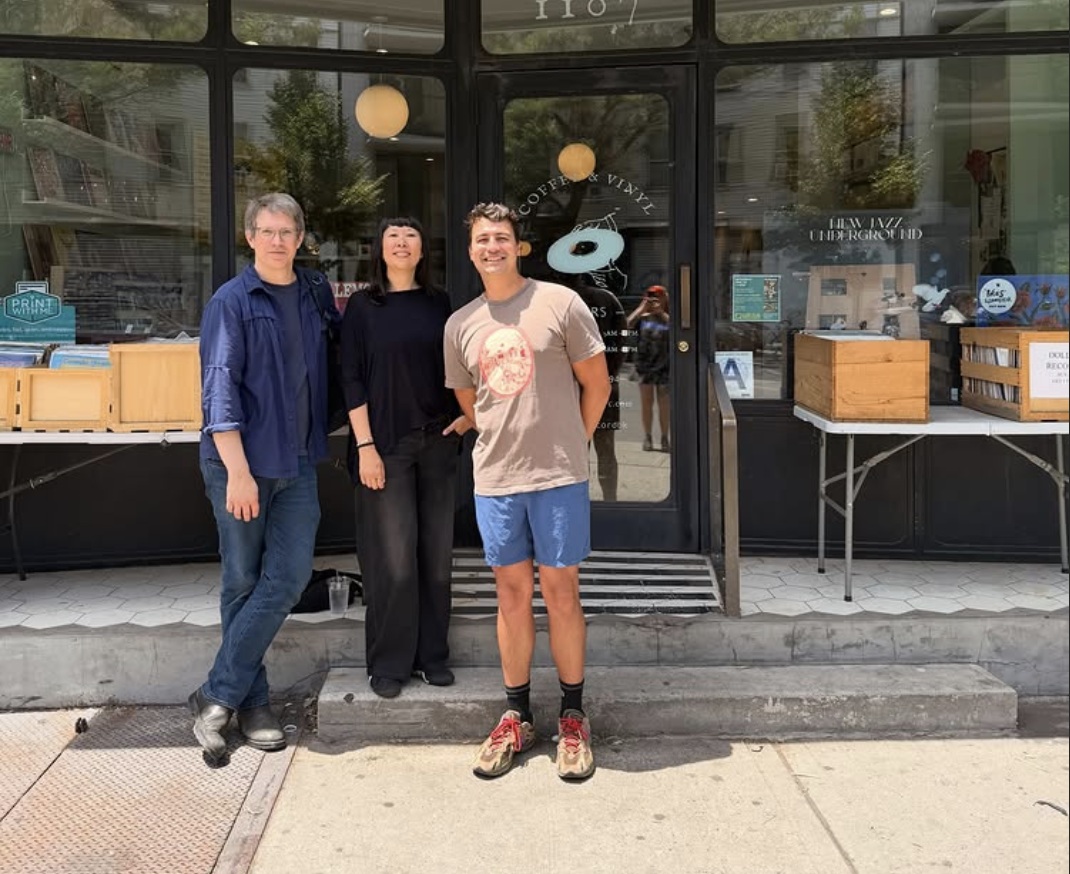
But we were pretty much locked into it for our last album (2022’s The Great Awakening), so we wanted to use our freedom of movement while we had it—and after I met Shahzad Ismaily in New York and took a short tour of his studio, Figure 8, I knew I wanted to work there. It’s a hub of creativity, with great musicians constantly flowing through it at all hours, and amazing gear. We weren’t there for more than a week and a half all told, I think, but those were some of the most productive sessions of the record, almost feverishly so.
Then Shahzad connected us with Leo Abrahams in London, whose studio feels much more calm and contemplative, almost like a meditation center; a few times, while Leo and Emily were working, I fell asleep on the studio couch. It was a great place to take stock of the beautiful messes we’d made at Figure 8 and Dandysounds, sort through performances, and find the shapes of the songs. Leo’s got a great producer’s mind for that sort of thing, along with being a gifted and thoughtful musician.
And Danny Reisch, who mixed the album, is an old friend who now does a lot of film music out in Los Angeles; he’s used to working in a super hi-fi realm, even though he also makes entire records on 8-track cassettes, too. I’d worked with him on three Shearwater albums before this, so I knew his obsession with detail would serve us well in the last stages of the record; he doesn’t stop working until he knows every nuance of the mix is as good as it can be. He can’t help it. That’s the kind of person you want by your side when you’re finishing up.
Can you share a little about your process for capturing field recordings?
I’m a little ashamed to admit that I just use my phone most of the time, though I also have a trusty old Zoom H2n recorder I love. I don’t mind the phone recordings being in mono, or a fairly low bit rate; it’s just so easy to grab sounds at the spur of the moment. And there’s an integrity to the sound of the phone even if it’s not the most hi-fi recording ever — kind of like the way your ear enjoys the sound of someone’s voice recorded through a phone speaker if you’re listening to a radio interview. It adds a little dramatic distance.
With so many recording locations and ambient sounds incorporated, was it challenging to create a cohesive sound for the record?
No, oddly enough — and I’ve come to trust that. Shearwater is always anchored by my voice, but the music’s filtered through the big brains of my bandmates Emily Lee and Dan Duszynski, too. Danny Reisch, our mix engineer, has also worked with me for many years, so he knows what the band’s supposed to sound like, and he’s always nudging it in that direction in the mixes.
How did you connect with Citizen Vinyl for pressing the album?
At first, I’m afraid, it was desperation! In 2021 we needed to press another release, and supply chains were choked. We couldn’t find a high-quality vinyl manufacturer who could work with an independent band without a delay of at least a year.
I can’t now remember who sent us your way; I just remember someone saying “there’s this new vinyl pressing plant in Asheville, and they don’t have crazy turnaround times. I’ve spent a lot of my life in North Carolina, so that connection gave me warm fuzzies…and then you guys were super easy to work with, and the records sounded great. I didn’t want to mess with success this time around.