

‘New American Symphonies’ Q&A
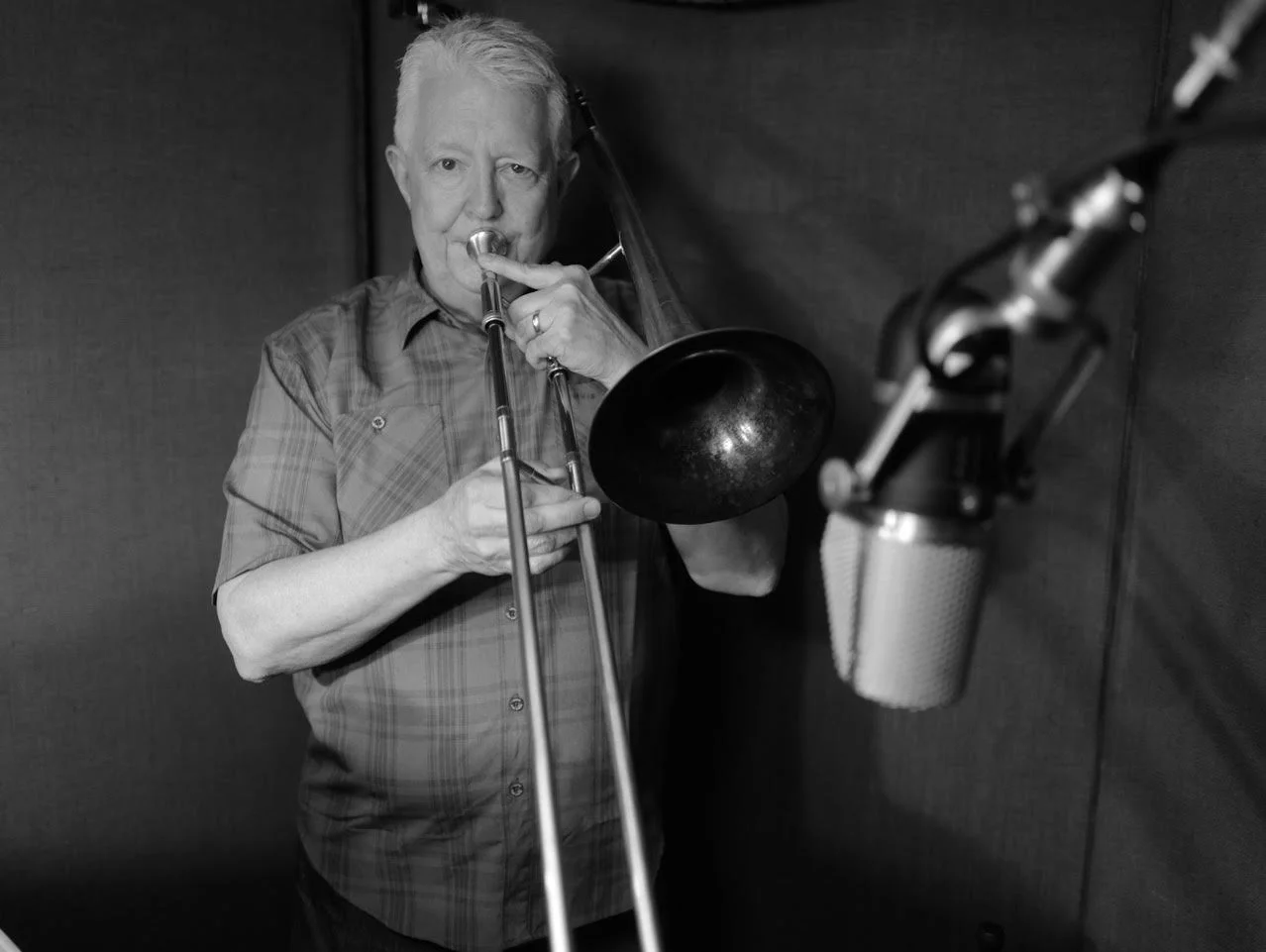
Nearly 90 years after legendary bandleader Tommy Dorsey abandoned an ambitious new symphonic work deemed too difficult for its time, trombone virtuoso Jim Pugh has finally brought the music to life. New American Symphonies unites Pugh with Grammy Award-winning engineer and producer Jim Anderson and acclaimed producer Ulrike Schwarz for the first-ever recording of Roy Harris's long-lost trombone symphony, originally written for Dorsey in 1938. Captured in stunning Digital eXtreme Definition (DXD) and immersive audio at Power Station at BerkleeNYC, the album pairs the rediscovered Harris composition with Night Suite, a contemporary multi-movement work written specifically for Pugh by composer Scott Ninmer.
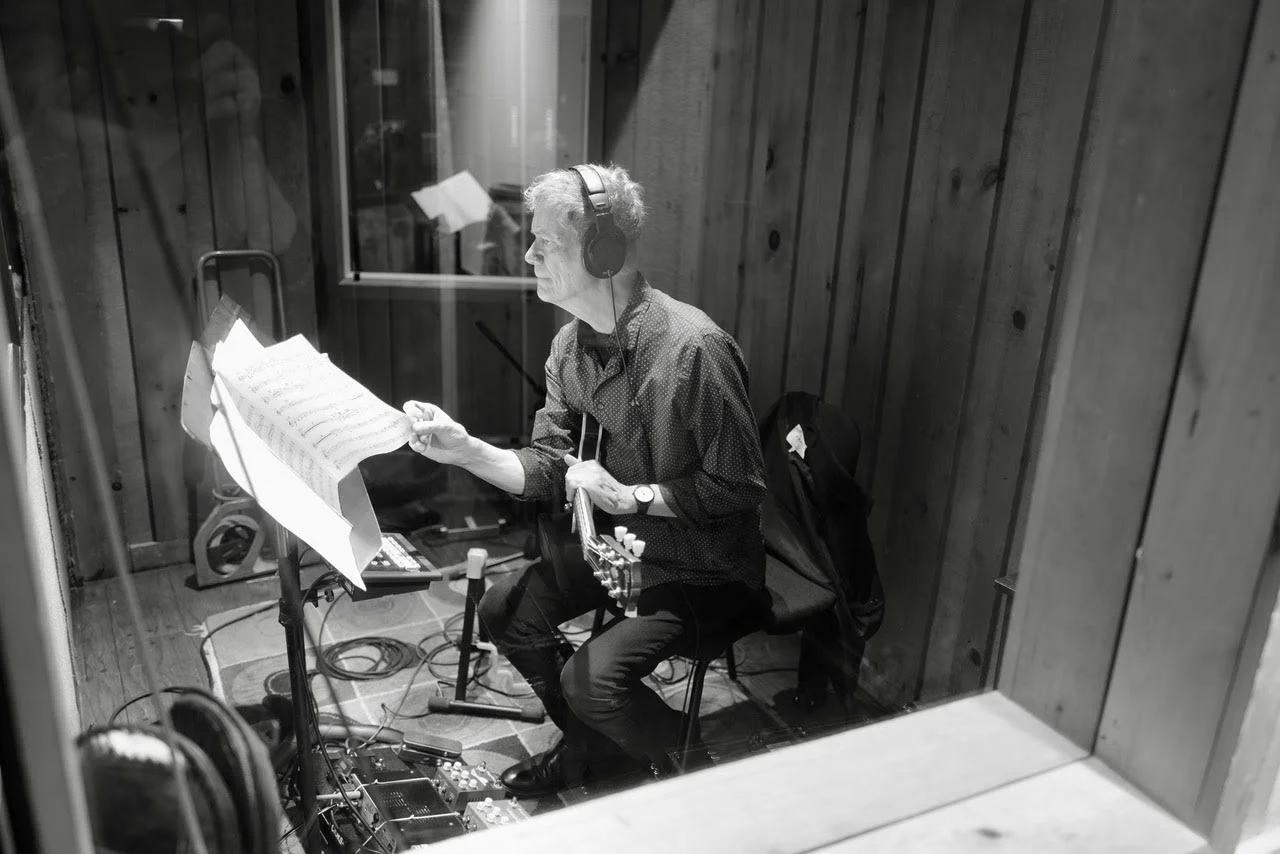
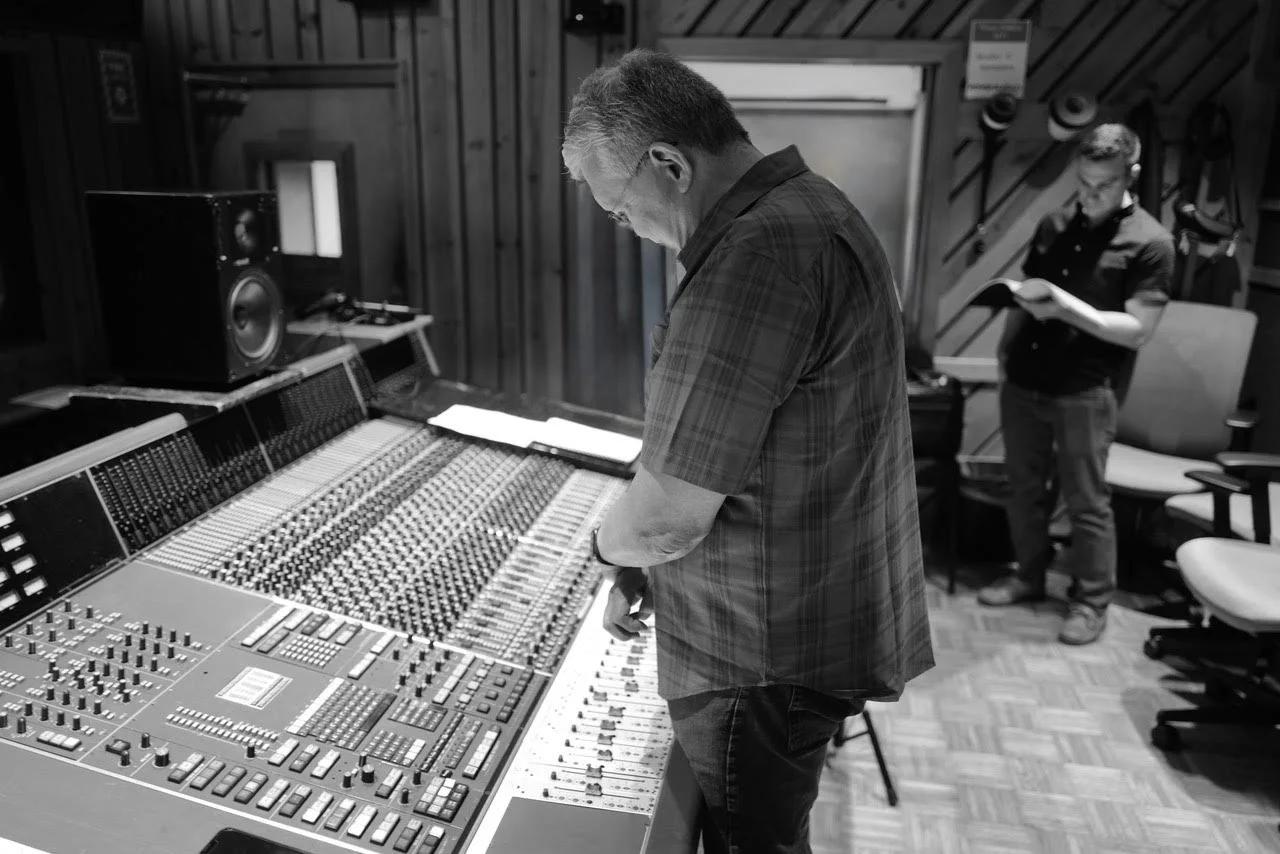
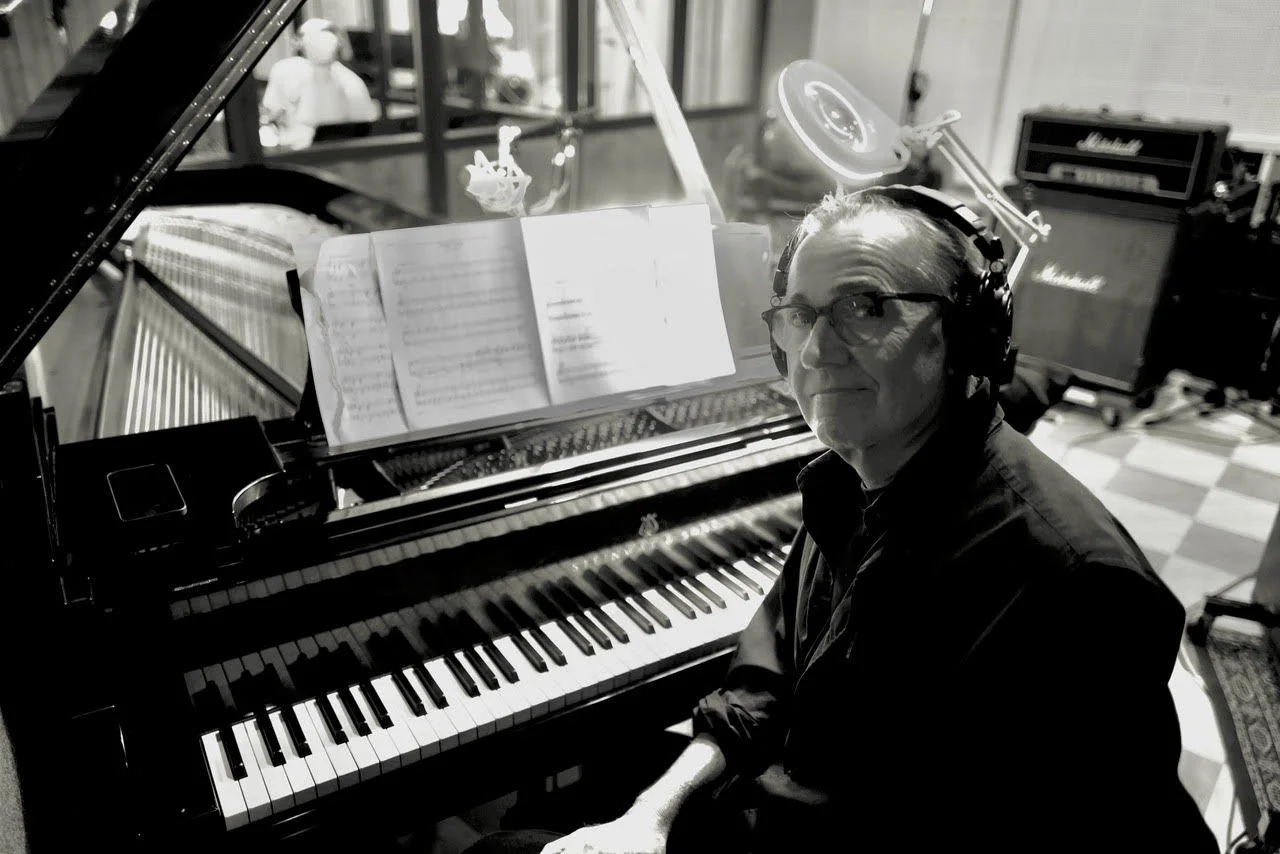
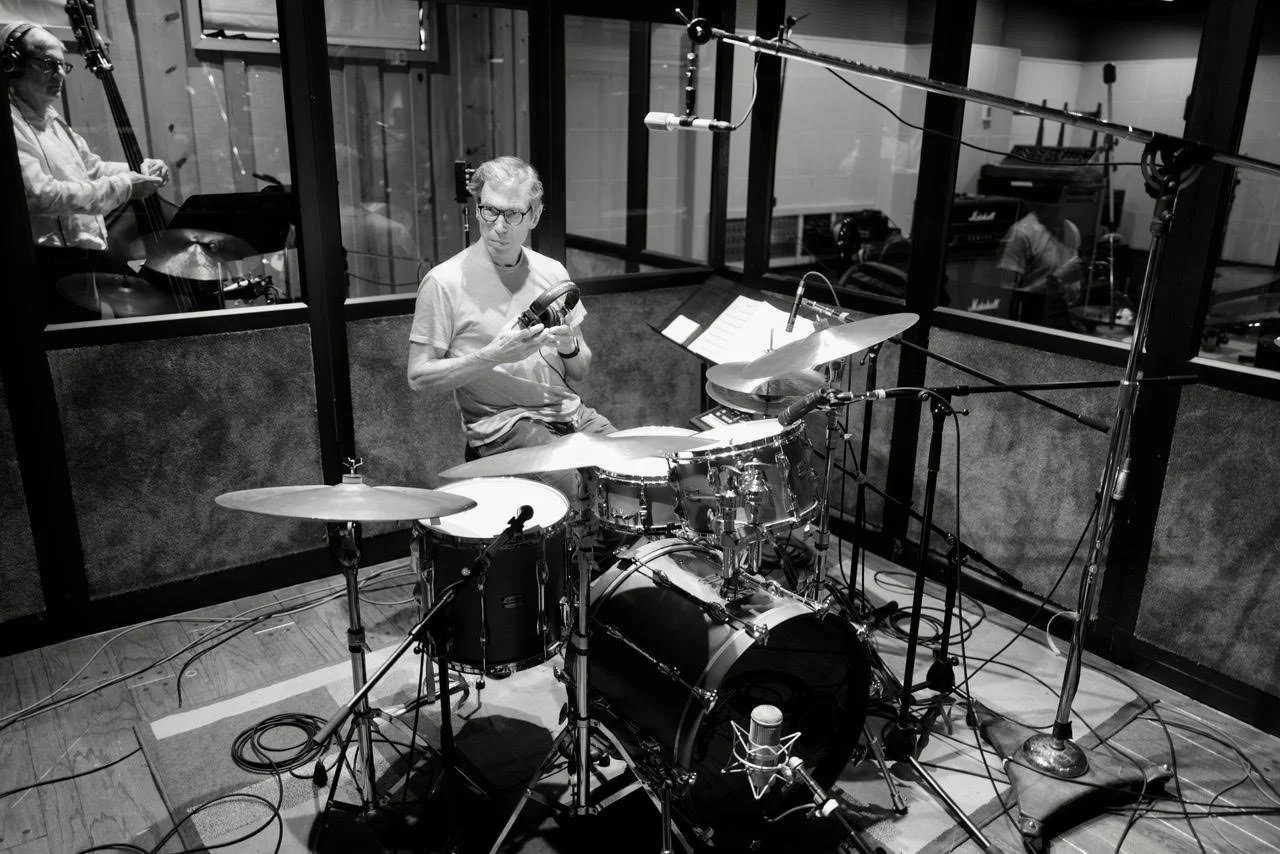
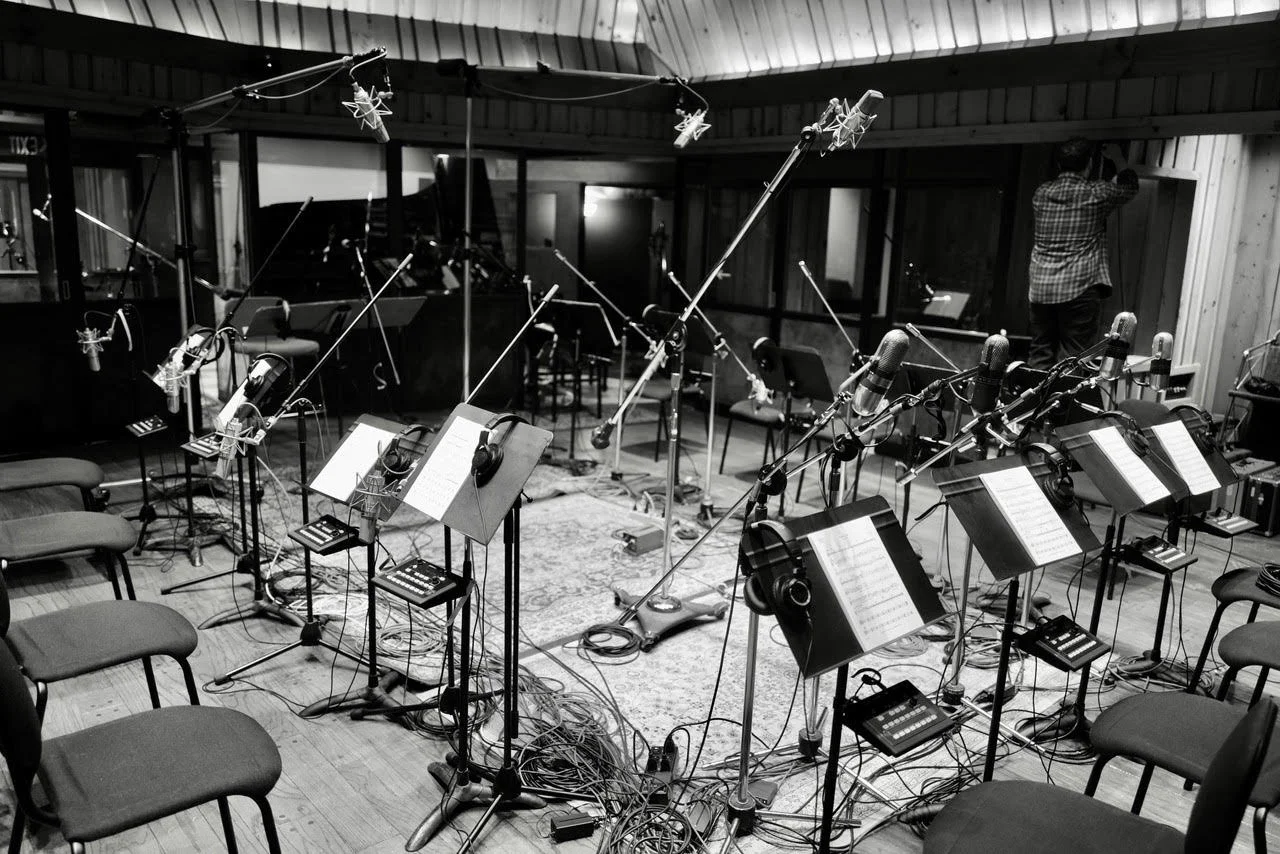
Q&A with producer Ulrike Schwarz
Citizen Vinyl: What is involved in recording in Digital eXtreme Definition (DXD)/immersive audio? Different gear? Special microphones?
Ulrike Schwarz: In order to record in DXD, the used interfaces and Digital Audio Workstations need to have DXD capabilities which means at least 24bit fixed word length and 352.8kHz sampling frequency. [This is roughly 8x the sampling rate of a CD!]
The microphones and equipment stay the same. We use Hardy M-1 microphone preamplifiers and Merging Technologies Horus and Hapi interfaces with Premium AD and DA cards.
Why did you choose to record at the Power Station?
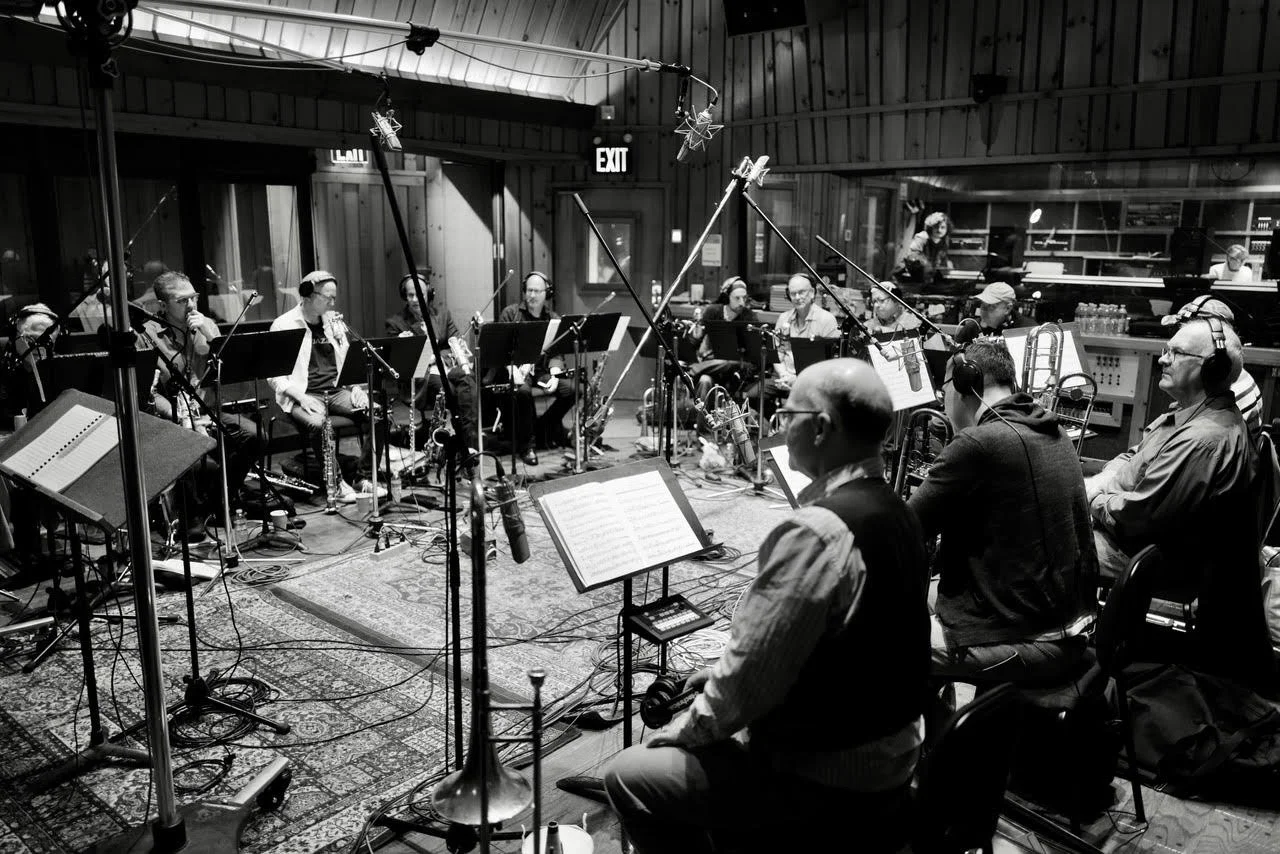
Power Station Berklee New York was one of the best studios in town and very fitting for recording of a big band style ensemble. Power Station A (used for the Harris composition) has the legendary dome in the main recording room, several isolation booths and a very good sound.
Since these were some of the best session players in New York City it was vital to record in a central location within the city.
Power Station C is also a legendary room that can hold its own when recording a big band. Here we have the brass section of the Tony’s orchestra, the Steely Dan rhythm section and some of the soloists of the Harris recording (Ted Nash, Jim Pugh). These days Power Station Berklee is one of the remaining few places that can handle an ensemble the size of a big band!
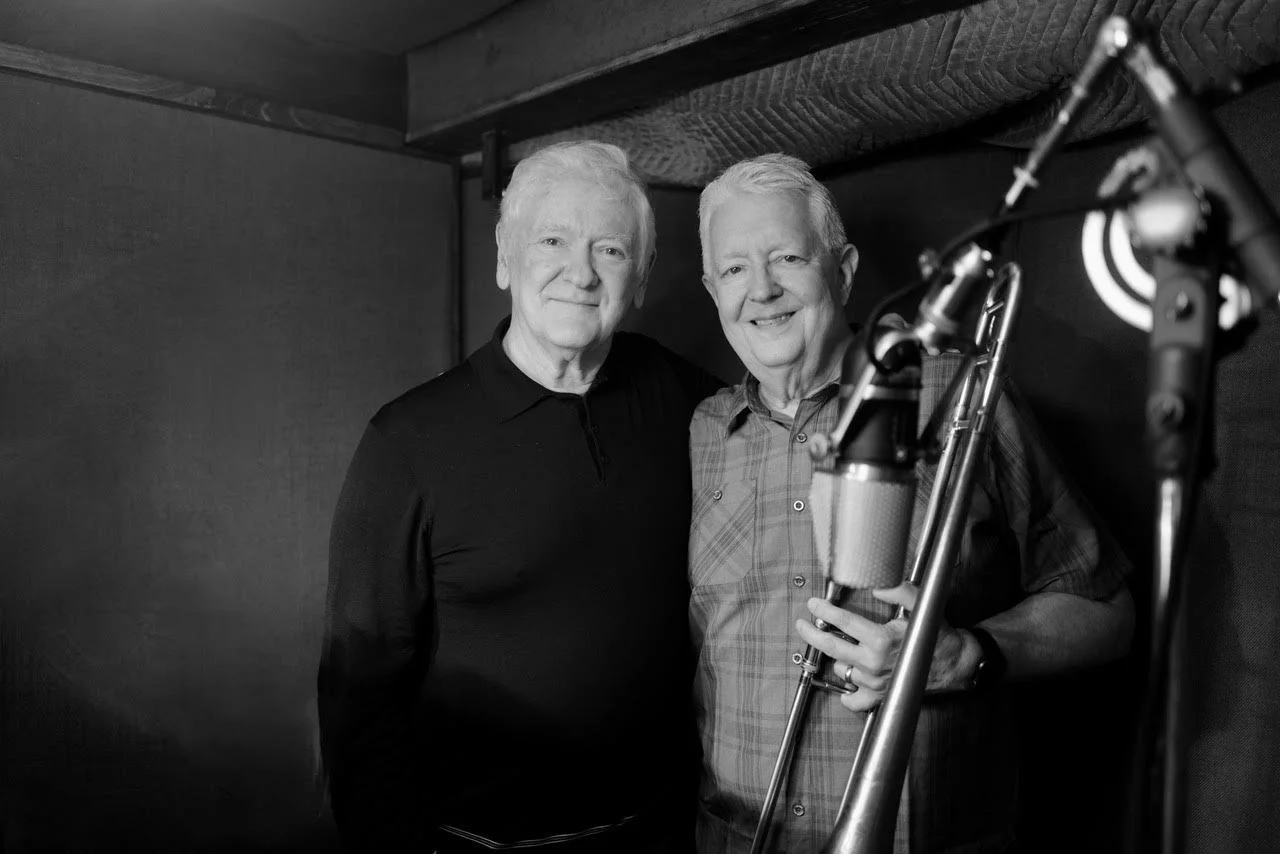
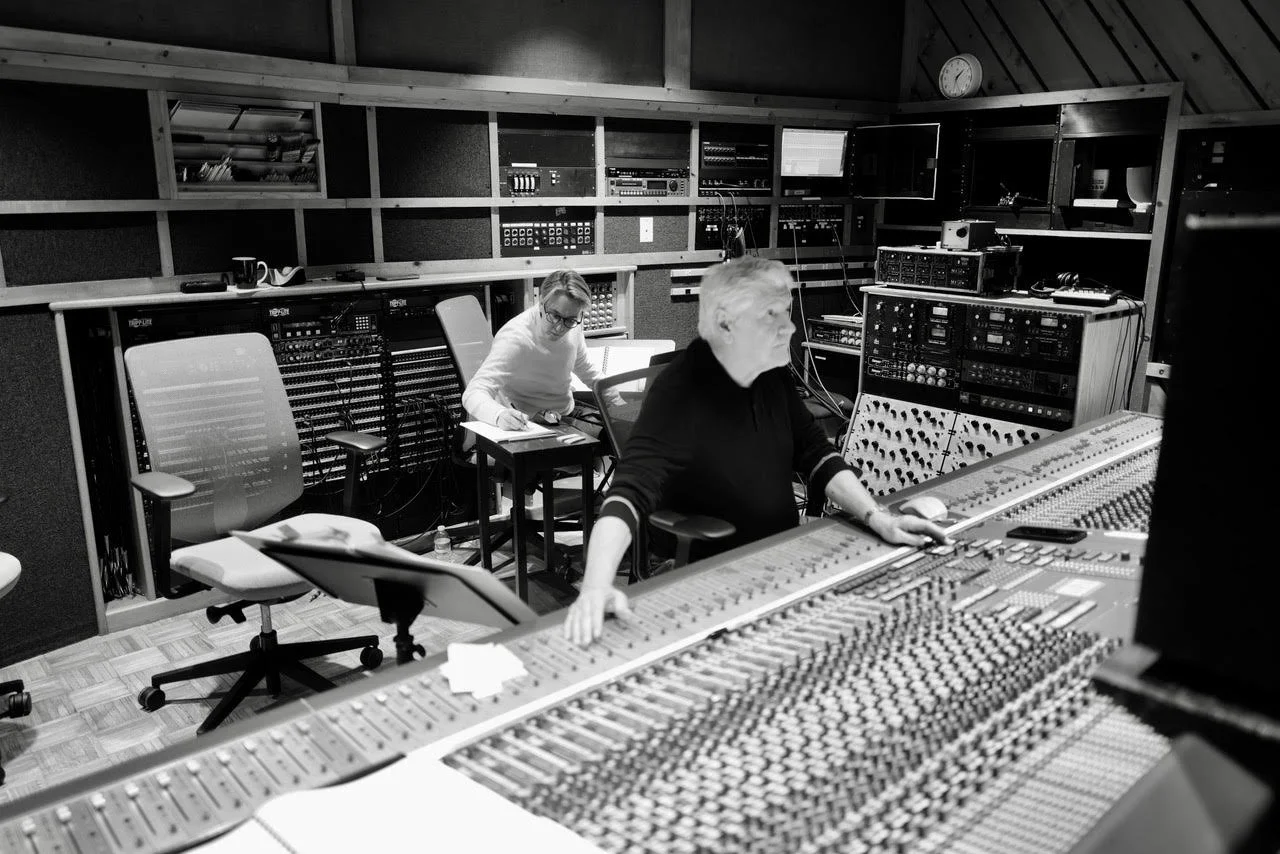
Jim Anderson and Jim Pugh
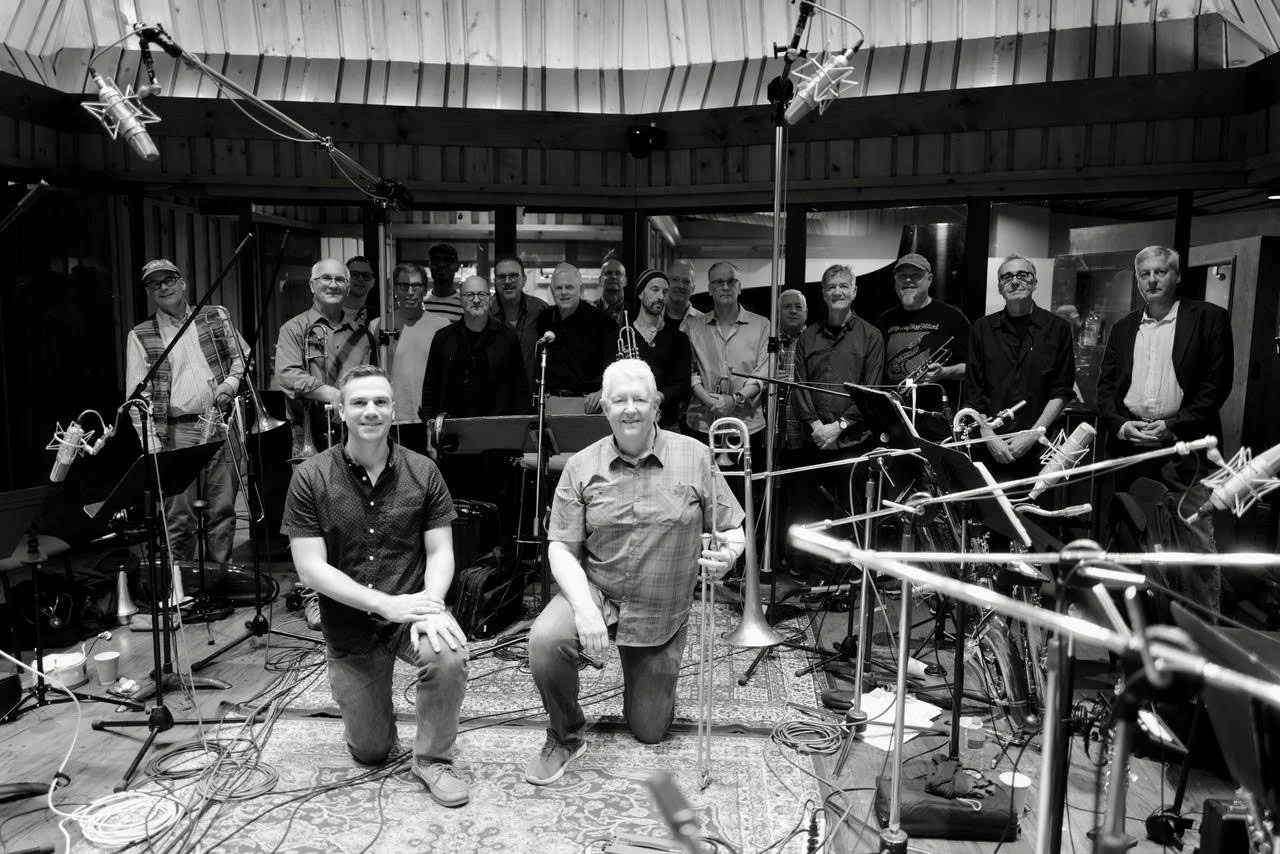
How many musicians were involved in the recording?
• Side 1 — Works by Roy Harris: 16 plus Marin Alsop as conductor
• Side 2 - Works by Scott Ninmer: 18 plus Scott Ninmer as conductor
Here is a full list of musicians:
• American Symphony-1938; Roy Harris
Reed 1 (Flute) - Elizabeth Mann
Reed 2 (Clarinet) - David Tofani
Reed 3 (Alto, Clarinet) - Lawrence Feldman
Reed 4 (Alto, Clarinet) - Ted Nash
Reed 5 (Tenor, Clarinet) - Dennis Anderson
Reed 6 (Tenor, Bass Clarinet) - Roger Rosenberg
Trumpet 1 - (movement 1) Bob Millikan; (movement 2) Chris Gekker
Trumpet 2 - (movement 1) Chris Gekker; (movement 2) Bob Millikan
Trumpet 3 - Tony Kadlexk
Solo trombone (lead on movement 1, solo on movement 2) - Jim Pugh
Trombone 1 - Joseph Alessi
Trombone 2 - Keith O’Quinn
Trombone 3 - David Taylor
Piano - Bill Charlap
Bass - Jay Leonhart
Drums/Percussion - Jim Saporito
• Night Suite; Scott Ninmer
Reed 1 (Soprano, Clarinet, Flute) - Ted Nash (soprano solo)
Reed 2 (Alto, Flute) - Charles Pillow
Reed 3 (Tenor, Clarinet) - Aaron Heick
Reed 4 (Tenor, Clarinet) -Steve Kenyon
Reed 5 (Baritone Sax, Bass Clarinet) - Roger Rosenberg
Trumpet 1 - Tony Kadleck
Trumpet 2 - Kenny Rampton
Trumpet 3 - Scott Wendholt
Trumpet 4 - Michael Leonhart
Solo Trombone – Jim Pugh
Trombone 1 - Ben Ford
Trombone 2 - Mark Patterson
Trombone 3 - Bruce Eidem
Bass Trombone - Reginald Chapman
Piano - Jim Beard
Guitar - Jon Herington
Bass - David Finck
Drums - John Riley
Is this record the first in a series and can we expect future releases?
Yes, but it might be with a slightly smaller group of musicians, though. I am currently working with another ensemble project with Jim Pugh that we hope to bring to fruition soon.